


T: +86-18156545248
E: info@wnksensor.com
E: info@wnksensor.com
5F, Bldg. 2A, Mingzhu Industrial Park Hefei 230000, China
Views: 0 Author: Site Editor Publish Time: 2025-10-31 Origin: Site
Are you thinking about changing your tire pressure sensor? You can do it yourself and save money. Using a good pressure sensor from a trusted brand like WNK keeps your car safe and working well. Here are some common risks to look out for:
Damage from things on the road
Very hot or cold weather
Rust
Bad wiring
Doing it yourself can help you save on labor costs, sometimes up to $150 for each sensor. With simple tools and some patience, you can do this job and keep your car working smoothly.
Replacing your tire pressure sensor can save you up to $150 in labor costs. Doing it yourself is a smart way to save money.
Gather all necessary tools before starting. This includes a tire jack, lug wrench, and valve core tool to make the process smoother.
Always wear safety gear like gloves and goggles. This protects you from sharp objects and dirt while you work.
Follow the steps carefully to remove the old sensor and install the new one. Take your time to avoid mistakes and ensure everything is secure.
Resetting the TPMS after installation is crucial. This helps your car recognize the new sensor and keeps your tire pressure readings accurate.
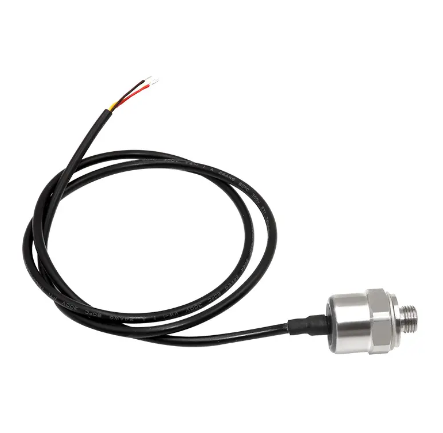
Getting ready to change a tire pressure sensor means you need the right tools. Make sure you have all your supplies before you start. This helps you finish faster and keeps things easy.
You need some simple tools to take out and put in a pressure sensor. Here are some brands people like:
Tool Brand | Description |
|---|---|
Bartec | Bartec TPMS Tools are used by many tire shops. They have new technology for TPMS service. |
Autel | Autel tools cost less and work with almost all sensors. Many people choose them. |
You also need a tire jack, a lug wrench, a valve core tool, and a torque wrench. These tools help you take off the wheel and work with the sensor safely.
Tip: Put your tools in order before you begin. This helps you work faster and stay neat.
Picking the right pressure sensor is important for your car’s safety. You want a sensor that fits your car and lasts long. Hefei Wnk Smart Technology Co., Ltd. makes sensors for many cars. Their products, like automotive pressure sensors and oil pressure sensors, have good quality and a 12-month warranty. WNK uses advanced technology and gives good help after you buy. If you need help, their customer service can help you pick the right sensor.
Safety is very important. Before you start, make sure you have:
Safety gloves
Eye protection
Wheel chocks
A clean workspace
Gloves and goggles keep you safe from sharp things and dirt. Wheel chocks stop your car from moving while you work.
Remember: Always follow safety rules so you do not get hurt when changing the sensor.
You might wonder how to tell if your tire pressure sensor is failing. Some signs are easy to notice. Take a look at this table to help you spot common symptoms:
Symptoms | Description |
|---|---|
Tire pressure warning light | The TPMS light comes on if the sensor has low battery or gets damaged. |
Erratic readings | Numbers jump around, often because of old sensors or extreme temperatures. |
False alerts | You see warnings even when your tires are fine. This can mean corrosion or bad wiring. |
If you see any of these problems, your sensor probably needs attention. Catching these signs early helps you avoid bigger issues on the road.
Getting ready for replacement makes the job safer and easier. Here’s a simple checklist to follow:
Gather your tools: jack, torque wrench, flathead screwdriver, valve core tool, and a new TPMS sensor.
Work on a flat surface and set the parking brake.
Put on gloves and safety glasses.
Deflate the tire before you remove it.
Keep your workspace tidy so you don’t lose small parts.
Tip: Safety gear like gloves and glasses protects you from sharp objects and dirt. Always double-check your setup before starting.
You need to find the exact sensor that’s causing trouble. Try these steps:
Check your Owner’s Manual for TPMS sensor details.
Look at your tires and wheel assembly for the sensor.
Watch for warning lights on your dashboard.
Use a TPMS diagnostic tool to read sensor IDs and see which one needs fixing.
A TPMS tool gives you clear info about sensor status and battery life. This helps you make sure you replace the right pressure sensor and avoid extra work.
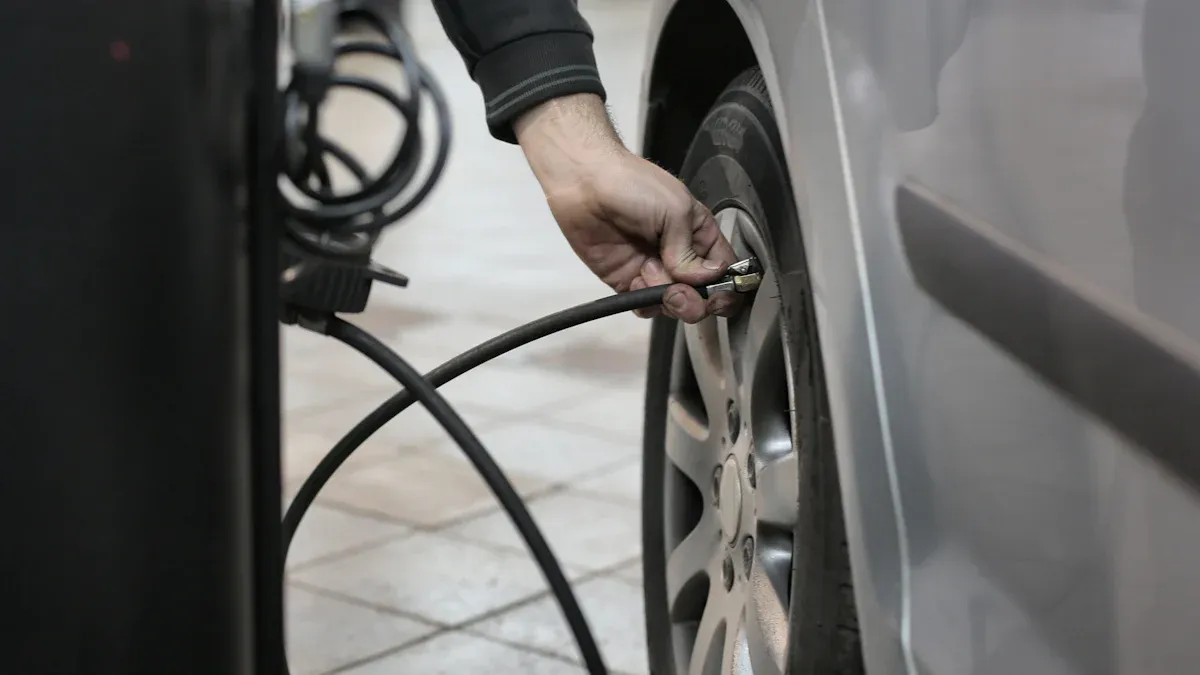
Ready to get your hands dirty? Let’s walk through each step so you can replace tire pressure sensor like a pro. You’ll find that the process is straightforward if you follow these instructions and take your time.
First, you need to take off the wheel and tire. This step lets you reach the sensor inside the wheel. Here’s how you do it:
Park your car on a flat surface and set the parking brake.
Use wheel chocks to keep your car from moving.
Loosen the lug nuts with a wrench, but don’t remove them yet.
Lift the car with a jack until the tire is off the ground.
Remove the lug nuts and take off the wheel.
Tip: Always deflate the tire by removing the valve core before you try to take it off. This keeps you safe and protects the tire.
When you remove the tire, keep these precautions in mind:
Make sure the tire is fully deflated before you start.
Use rubber lubricant on the bead and rim surfaces if your manufacturer recommends it.
Never try to fix cracked or damaged rim parts with welding or heating.
Stay clear of the wheel’s path when working with multi-piece rims.
Don’t use hammers or force to seat rings while the tire is pressurized.
These steps help you avoid damage and keep you safe.
Now you’re ready to remove the old sensor. The sensor sits inside the wheel, attached to the valve stem. Here’s what you do:
Find the sensor on the inside of the wheel.
Use a valve core tool to take out the valve core and let out any air left in the tire.
Unscrew the sensor nut with a wrench.
Gently pull out the old sensor from the valve stem.
Note: Handle the sensor and valve stem with care. If you use too much force, you might break the sensor or damage the stem.
It’s time to install the new tpms sensor. Make sure you use a quality pressure sensor from Hefei Wnk Smart Technology Co., Ltd. Their sensors are reliable and built to last.
Place the new sensor into the valve stem.
Secure the sensor with the nut.
Use a torque wrench to tighten the nut to the manufacturer’s recommended torque value. Over-tightening can cause leaks or damage the sensor.
When you install the new sensor, pay attention to common mistakes. Here’s a table to help you avoid errors:
Preventive Measure | Description |
|---|---|
Selection of suitable transducers | Make sure the sensor’s measuring range matches your car’s needs. |
Correct installation and sealing | Seal the sensor properly to prevent leaks and protect it from shocks. |
Avoid over-pressurization and over-temperature | Don’t expose the sensor to pressures or temperatures beyond its limits. |
Regular calibration and maintenance | Check and calibrate the sensor regularly for best performance. |
Reduce frequent pressure changes | Try not to change tire pressure too often to keep the sensor working well. |
You’re almost done! Now you need to put everything back together.
Place the tire back onto the rim.
Use rubber lubricant if needed to help the tire seat smoothly.
Inflate the tire to the correct pressure.
Put the wheel back on the car and tighten the lug nuts.
Lower the car and finish tightening the lug nuts with a torque wrench.
After you finish, drive your car to help the sensors “wake up.” Here’s what you should do:
Drive forward and make gentle left and right turns. This helps the car recognize the new sensor.
Sometimes, you need to drive at about 25 mph for 10 to 30 minutes to complete the registration.
If the sensor isn’t recognized, check for missing or damaged sensors. You may need to visit a repair shop to introduce the sensor to your car’s system.
Here’s a quick table for the reassembly steps:
Step | Description |
|---|---|
1 | Drive around to activate the sensors. |
2 | Make sure the sensors are recognized by the car. |
3 | Check for missing or damaged sensors if needed. |
4 | Visit a dealer or shop for sensor registration. |
Tip: Take your time during replacement. Double-check each step to make sure everything is secure and working right.
Now you know how to replace tire pressure sensor safely and correctly. You’ve learned how to remove the wheel, take out the old sensor, install the new sensor, and reassemble the tire and wheel. This process helps you save money and keeps your car running smoothly.
After you install your new tpms sensor, you need to reset the system. This step helps your car recognize the new tpms sensor and keeps your tire pressure readings accurate. If you skip this part, your dashboard light might stay on, or you might not get the right alerts.
Resetting your tpms sensor is simple if you follow these steps:
Check the tire pressure for all tires, including the spare. Make sure each one matches your vehicle’s recommended range.
If the tire pressure is correct but the warning light stays on, drive your car for about 10 minutes. Try to reach speeds of 50 MPH if possible.
Look for a tpms sensor reset button or a reset option in your vehicle’s control center. Your owner’s manual will show you where to find it and how to use it.
Tip: Always double-check your tire pressure before starting the reset. This helps your tpms sensor work correctly.
You want to make sure your new tpms sensor works as it should. Here’s how you can test it:
Open your owner’s manual and look for instructions on activating the tpms sensor.
Use the reset button on your dashboard if your car has one.
Inflate and deflate the tires in the order your manual suggests. This can trigger the tpms sensor.
Drive your car at the speed and distance recommended. This helps your car learn the new tpms sensor.
If your dashboard light turns off and your readings look right, your tpms sensor is working.
Sometimes, the tpms sensor system does not reset right away. Here are some things you can try:
Make sure you installed the tpms sensor correctly.
Check the battery in the tpms sensor if it is not new.
Try the reset steps again.
If you still have trouble, reach out to us at Hefei Wnk Smart Technology Co., Ltd. We offer a 12-month warranty and fast after-sales support. You can get help within 24 hours, and we provide remote instruction if needed.
Warranty Duration | After-Sales Support |
|---|---|
12 months after shipment | Response within 24 hours, remote instruction available |
If your tpms sensor still does not work, you might need professional help. Don’t hesitate to contact a trusted mechanic or our support team for more guidance.
You’ve learned how to replace a tire pressure sensor step by step. Here’s a quick recap:
Remove the wheel and tire.
Inspect and clean the rim.
Install the new sensor and tighten to the correct torque.
Reset your TPMS and test the system.
Using high-quality sensors from Hefei Wnk Smart Technology Co., Ltd. helps you avoid common mistakes and keeps your car safe. If you notice repeated sensor issues or warning lights, reach out for expert help. Feel proud of your DIY skills and enjoy safer, longer-lasting tires!
You can usually finish the job in about 30 to 60 minutes. If you have all your tools ready and follow each step, you’ll save time and avoid mistakes.
Yes, you do. Resetting the system helps your car recognize the new sensor. Check your owner’s manual for the exact steps or use the reset button if your car has one.
You can drive, but it’s not safe. A bad sensor means you won’t get alerts about low tire pressure. This can lead to tire damage or unsafe driving conditions.
First, double-check your installation and tire pressure. Try the reset steps again. If the light stays on, reach out to Hefei Wnk Smart Technology Co., Ltd. for support or visit a trusted mechanic.
WNK offers a wide range of sensors for many car models. You can contact their customer service to make sure you get the right fit for your vehicle.


