


T: +86-18156545248
E: info@wnksensor.com
E: info@wnksensor.com
5F, Bldg. 2A, Mingzhu Industrial Park Hefei 230000, China
Views: 0 Author: Site Editor Publish Time: 2026-01-14 Origin: Site
Resetting your air pressure sensor might seem tricky at first, but you can handle it with a few simple steps. If you want fast and safe results, you have come to the right place. WNK stands out as a trusted name when it comes to reliability and support for your sensor needs. Most resets take just a few minutes, so you can usually do them right at home. If you ever feel unsure, professional help is always available.
Check tire pressure often. Make sure tires have the right amount of air. This keeps you safe. It also helps the air pressure sensor work well.
Use the reset button or control center to reset the air pressure sensor. This way is fast. It works for many cars.
If the warning light does not turn off, disconnect the battery for 10 minutes. This can clear the sensor’s memory. It may reset the system.
Drive your car for 10 to 30 minutes at a normal speed. This helps the air pressure sensor adjust. It might turn off the warning light.
Get help from a professional if the warning light stays on. A technician can find sensor problems. They will help keep your car safe.
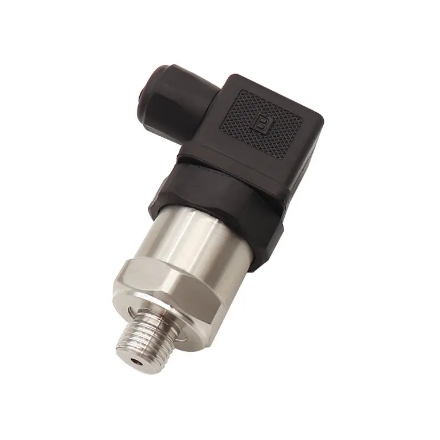
When your air pressure sensor acts up, you want a quick fix. WNK sensors make this process simple and reliable. Let’s walk through the most common reset methods you can try at home.
Many vehicles and WNK air pressure sensors come with a reset button or a reset option in the control center. Here’s how you can use it:
Check the tire pressure on all your tires, including the spare. Make sure each one matches the recommended range for your vehicle.
If the tire pressure is correct but the warning light stays on, take your car for a drive. Try to keep your speed around 50 MPH for about 10 minutes.
Find the TPMS reset button or look for a reset option in your vehicle’s control center. Your owner’s manual will help you locate it.
Press and hold the reset button until the air pressure sensor warning light blinks three times, then release it.
Start your car and wait a few minutes to see if the warning light turns off.
Tip: WNK air pressure sensors are designed for easy maintenance, so you can reset them without special tools.
If the reset button doesn’t work, you can try disconnecting the battery. This method helps clear the sensor’s memory.
Turn off your vehicle and open the hood.
Use a wrench to loosen the nut on the negative battery cable.
Remove the cable and wait for about 10 minutes.
Reconnect the cable and tighten the nut.
Start your vehicle and check if the air pressure sensor warning light has turned off.
Note: Always handle your car battery with care. If you feel unsure, ask a professional for help.
Sometimes, the air pressure sensor warning light stays on because one or more tires have the wrong pressure. Here’s what you can do:
Use a tire gauge to check the pressure in each tire.
Inflate or deflate the tires to match the recommended levels found in your vehicle’s manual or on the driver’s door sticker.
After adjusting, drive your car for a few minutes. The warning light should turn off once the air pressure sensor detects the correct pressure.
Keeping your tires at the right pressure helps your air pressure sensor work better and keeps you safe on the road.
Your air pressure sensor may need a short drive to recalibrate. This method is simple and works for many vehicles and WNK sensors.
Drive your car for about 30 minutes at speeds between 30 and 60 MPH.
If you don’t have time for a long drive, a 10-minute trip at up to 50 MPH can also help reset the warning light.
After driving, check if the warning light has turned off.
Regular driving helps your air pressure sensor adjust and keeps your system running smoothly.
By following these steps, you can reset your air pressure sensor quickly and safely. WNK sensors are built for reliability, so you can trust them to get back to normal with just a few simple actions.
You might notice the warning light on your dashboard stays on, even after you try a reset. This can feel frustrating, but you can figure out the cause with a few simple checks:
Low tire pressure often keeps the light on. Grab a reliable gauge and check each tire.
Sudden temperature changes can mess with your tire pressure. Even a small drop in temperature can trigger the warning.
Sometimes, the sensor itself has a problem and sends a false signal.
If you want to dig deeper, try these steps:
Check tire pressure in all tires, including the spare.
Inspect the valve stems and make sure the covers are tight.
Rotate your tires to see if the problem moves with a tire or stays in one spot.
Visit a dealer for a sensor diagnosis if the light won’t turn off.
If the warning light stays on, don’t ignore it. Your air pressure sensor helps keep you safe.
Cold weather can play tricks on your tires and sensors. When the temperature drops by 10°F, your tire pressure can drop by about 1-2 PSI. This small change can set off your sensor and turn on the warning light.
Lower tire pressure means less traction and longer stopping distances.
You might see faster tire wear or even risk a blowout if you don’t check your tires.
The sensor is just doing its job, letting you know when the pressure drops.
Tip: Check your tire pressure more often in winter. A quick check can save you trouble on icy roads.
Sometimes, the problem isn’t with your tires—it’s the sensor itself. Here’s what you might see:
The TPMS warning light flashes, then stays on.
The dashboard shows wrong tire pressure numbers.
The warning light won’t reset, no matter what you do.
You can use special tools to find out what’s wrong with your sensor. Here’s a quick look at what helps:
Tool Type | Function |
|---|---|
Specialized Diagnostic Tool | Scans your vehicle for TPMS issues using the VIN barcode. |
Relearn Procedure Tool | Resets the TPMS after you replace or repair a sensor. |
If you see these signs, you might need a professional to check your air pressure sensor. WNK sensors are built for reliability, but every sensor needs a little help sometimes.
Sometimes, you do everything right, but the warning light just will not go away. When this happens, you might need a professional to step in. Here are some signs that tell you it is time to get help:
The warning light stays on for more than 90 seconds and turns solid.
You notice sensor damage or the sensor battery is dead.
You need special tools to figure out what is wrong.
The system keeps giving you false alerts or will not reset.
If you have tried all the basic steps and the problem sticks around, a skilled technician can help. They use advanced tools to check for battery issues, communication problems, or defective transmitters. Ignoring these alerts can lead to bigger problems, like poor fuel efficiency or tire damage. Driving with a faulty system can even put your safety at risk.
You should also know that regulations require your tire pressure monitoring system to work properly. If you are not sure what to do, you can always reach out to WNK’s customer service team. They are ready to answer your questions and guide you through the next steps.
There are times when a reset just will not fix the issue. Here is how you know it is time for a new sensor:
The sensor battery is dead or almost out of power.
You get warnings about low tire pressure, but your tires are fine.
The system does not warn you when a tire is actually flat.
You see more fuel stops because your tires are under-inflated.
The sensor got damaged during a tire change.
The warning light stays on, even when your tire pressure is perfect.
You get alerts about low pressure, but everything checks out.
The system cannot spot a flat tire when it happens.
Most direct sensors need replacing every 5 to 10 years, or when the battery fails. If you think your sensor needs replacing, WNK offers reliable products and strong support. Their team can help you choose the right sensor and answer any questions you have.
Do not wait if you think your sensor is failing. Replacing it keeps you safe and your vehicle running smoothly.
You now know how to reset your sensor and handle common issues. Here’s a quick recap:
Inflate all tires to the recommended PSI.
Drive at 50 mph for 10 minutes if the light stays on.
Use the reset button under the steering wheel.
Start your car and let it run for 20 minutes.
Try disconnecting the battery if needed.
WNK sensors stand out for reliability, with a 98.7% on-time delivery rate and top customer reviews. If you still have trouble, you can call +86-18156545248 or email info@wnksensor.com for help. You can always ask a professional for calibration or support.
You should check your sensor every month. You can also check it before long trips or when the weather changes. This helps you stay safe and keeps your sensor working well.
Yes, you can! Most WNK sensors let you reset them at home. Just follow the steps in this guide. If you get stuck, WNK’s support team can help.
The sensor may have a problem. Try resetting it first. If the light stays on, you might need a professional to check the sensor or replace it.
No special tools are needed for most resets. You can use your car’s reset button or adjust the tire pressure. If you need to replace the sensor, a technician can help.
Support Option | How to Reach Out |
|---|---|
Phone | +86 181 5654 5248 |
Customer Service | WNK website contact form |
You can call, email, or use the website for support.


