


WNK Pressure Sensor
At WNK Smart Technology, we specialize in delivering advanced pressure sensors and pressure transmitters engineered for accuracy, durability, and adaptability across diverse industrial applications. Our product portfolio includes automotive pressure sensors, IoT pressure sensors, industrial gas and liquid pressure sensors, high‑precision differential transmitters, and robust field instruments designed to handle challenging environments. Each sensor is engineered with high‑quality sensing elements, reliable ASIC signal conditioning, and optional communication outputs such as 4‑20 mA, HART, and digital interfaces, ensuring seamless integration into your control systems.
Trust in WNK to meet your pressure measurement needs with cost‑effective and customized solutions.
Key Features to Look for in a High-Quality Pressure Sensor
High Accuracy and Measurement Stability
Accuracy is one of the most important factors when selecting a pressure sensor. High-quality sensors typically provide precise measurement with minimal error, ensuring reliable pressure monitoring in critical systems. Many industrial sensors achieve around 1% typical accuracy and maintain stable performance even under varying temperature conditions, making them suitable for demanding industrial environments.
Durable and Rugged Construction
A reliable industrial pressure sensor should be built to withstand harsh operating conditions. Features such as corrosion resistance, shock resistance, and vibration resistance help ensure long-term durability. Sensors designed with robust materials and compact structures can operate reliably in environments involving water pressure, oil pressure, or industrial machinery.
Multiple Output Signal Options
High-performance pressure sensors often support multiple signal output options such as 4–20mA, 0–10V, 0.5–4.5V, or digital communication interfaces. These flexible output signals allow the sensor to integrate easily with different monitoring systems, controllers, and industrial automation equipment, improving system compatibility and data transmission reliability.
Easy Installation and Flexible Configuration
A high-quality pressure sensor should also offer flexible installation options. Many sensors provide multiple electrical connectors and process connection types, allowing engineers to install them quickly in different industrial systems. Factory calibration and plug-and-play design further simplify setup while ensuring accurate pressure measurement from the start.
Types of Pressure Sensors for Different Measurement Needs
Different applications require different types of pressure sensors, depending on measurement accuracy, environmental conditions, and the type of pressure being monitored.

Ceramic Capacitive Pressure Sensors
Ceramic capacitive pressure sensors are widely used for general industrial and commercial applications. These sensors typically use a dry ceramic capacitive sensing element combined with an ASIC signal conditioning chip to ensure stable signal output and reliable performance. They offer strong resistance to corrosion, wear, shock, and vibration, while maintaining excellent temperature stability and long-term durability. Because ceramic materials can directly contact many media, this type of industrial pressure sensor is often used for measuring water pressure, air pressure, oil pressure, and refrigeration systems.
Piezoresistive Silicon Pressure Sensors
Piezoresistive pressure sensors use a diffused silicon sensing element that changes electrical resistance when pressure is applied. This technology allows the sensor to measure gauge pressure and absolute pressure with high sensitivity and accuracy. Many models also include temperature compensation and signal conditioning chips to improve long-term stability and performance. These sensors are commonly used in HVAC systems, automatic pumping systems, pipeline monitoring, and water treatment applications where reliable pressure measurement is essential.


Oil-Filled Diffused Silicon Pressure Sensors
Oil-filled diffused silicon pressure sensors are designed for demanding environments where durability and precision are critical. These sensors typically feature a welded stainless-steel diaphragm and an oil-filled structure that protects the sensing element from harsh media. Because they contain no moving parts, they offer long service life, excellent temperature stability, and high measurement accuracy. This type of pressure sensor is widely used in automotive systems, gearbox pressure monitoring, air-conditioning equipment, and oil pressure measurement applications.
Industrial Applications of Pressure Sensors
HVAC and Refrigeration Systems
In HVAC and refrigeration equipment, pressure sensors are used to monitor refrigerant pressure, airflow systems, and compressor performance. Accurate pressure monitoring helps maintain stable temperature control, improve energy efficiency, and prevent system overload in air conditioning and cooling systems.
Water Treatment and Pumping Systems
In water supply networks and treatment plants, pressure sensors are used to monitor pipeline pressure, pump operation, and filtration processes. Reliable water pressure sensors help maintain stable water flow, detect leaks or abnormal pressure changes, and improve the efficiency of automated pumping systems.
Automotive and Oil Pressure Monitoring
Automotive systems rely on high-precision pressure sensors to measure oil pressure, transmission pressure, and engine system conditions. These sensors provide real-time pressure data that supports vehicle safety, improves engine efficiency, and ensures proper lubrication in automotive components.
Agricultural and Industrial Equipment
In agricultural irrigation and industrial machinery, industrial pressure sensors help monitor fluid pressure, air pressure, and hydraulic systems. By providing accurate pressure feedback, these sensors enable automated equipment control, improve operational reliability, and support efficient resource management in large-scale industrial environments.

Resource


Why Choose Our Pressure Sensor Solutions
Direct Manufacturer Expertise
With over 20 years of experience in sensor R&D and production, we deliver reliable products with competitive factory pricing and full OEM/ODM support.
Broad Product Range & Customization
We offer a comprehensive suite of pressure sensors and transmitters with flexible output options, tailored configurations, and industry‑specific designs.
Quality & Reliability Assurance
Every product undergoes strict testing, calibration, and quality control under ISO standards, ensuring long‑term stability and dependable performance in harsh environments.

How to Choose the Right Pressure Sensor for Your System
Determine the Pressure Type and Measurement Range
The first step when selecting a pressure sensor is identifying the type of pressure that needs to be measured. Common options include gauge pressure, absolute pressure, and sealed pressure, each designed for different applications. It is also important to select a sensor with an appropriate measurement range to prevent overload while maintaining high accuracy during operation.
Consider Sensor Accuracy and Stability
For many industrial applications, measurement accuracy and long-term stability are critical. A high-quality pressure sensor should provide stable readings and minimal drift over time. Sensors with built-in temperature compensation and precision calibration can maintain reliable performance even under changing environmental conditions.
Choose the Right Output Signal and Power Supply
Modern pressure sensors offer multiple signal output options such as 4–20mA, 0–10V, 0.5–4.5V, or digital interfaces like I2C. Selecting the correct output signal ensures compatibility with monitoring systems, PLC controllers, and industrial automation equipment. Matching the sensor’s power supply requirements with the system design is also important for stable operation.
Evaluate Installation and Process Connection Requirements
Finally, consider how the pressure sensor will be installed in the system. Factors such as electrical connectors, mounting structure, and process connection types (for example G1/4, NPT, or M12 threads) determine how easily the sensor integrates with pipelines, pumps, or machinery. Choosing the right configuration helps simplify installation and ensures reliable pressure monitoring in the long term.


FAQs
Contact Us
Ready to discuss your pressure sensing needs?
Contact us today for technical support, quotes or custom solutions!
Related Blogs
-
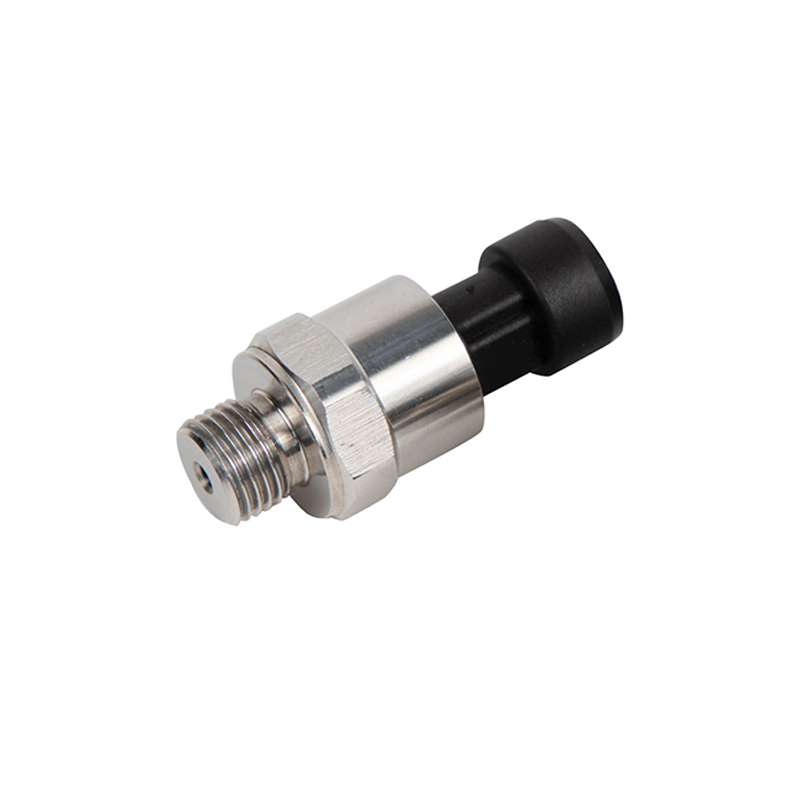 Learn how to select water pressure sensors to protect industrial pumps from costly failures like dry running, cavitation, and water hammer.Industry News
 -
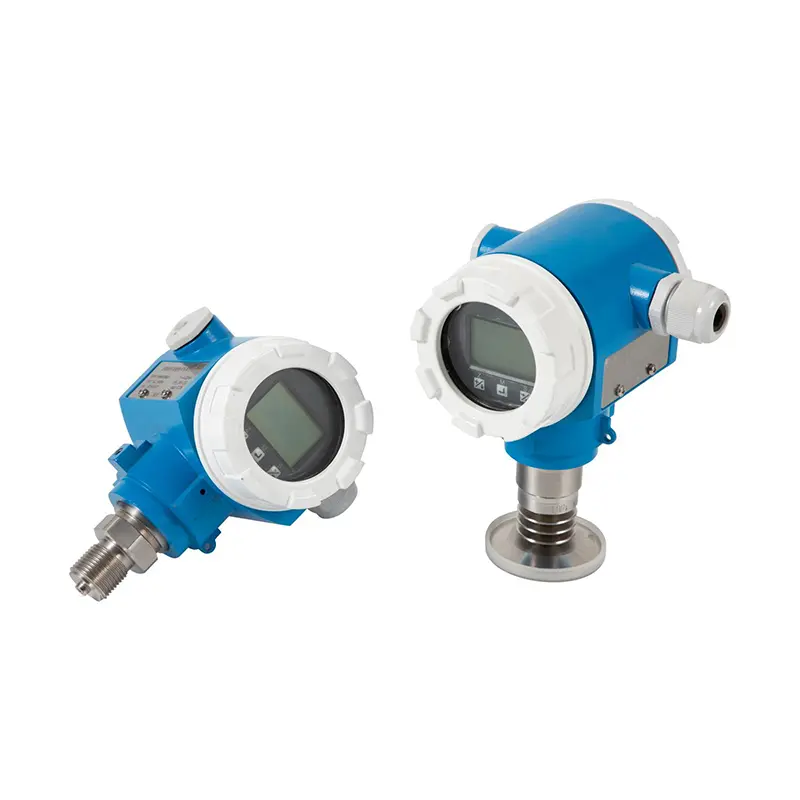 Compare 4-20mA, 0-10V, HART, and RS485 pressure transmitter outputs. Learn how to choose the right signal to prevent industrial data loss.Industry News
 -
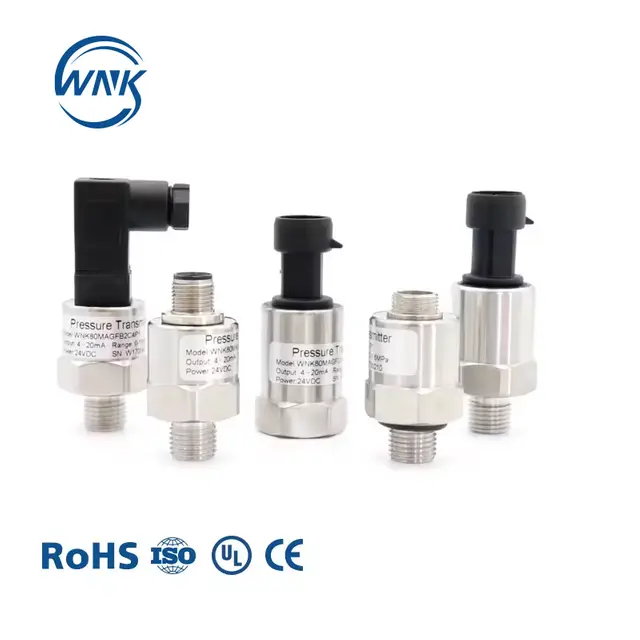 Guide to selecting refrigeration pressure transducers. Ensure material compatibility, prevent leaks, and protect your HVAC/R system assets.Industry News
Keep in Touch With Us
If you have any questions or specific requirements regarding our pressure sensor solutions, don't hesitate to reach out to our customer service team. Our experienced and dedicated team is here to provide you with comprehensive product information, answer any inquiries, and work with you to develop the ideal solution that perfectly meets your unique needs. Contact us today to get started!
Mob:+86-18156545248
E-mail:info@wnksensor.com
