


T: +86-18156545248
E: info@wnksensor.com
E: info@wnksensor.com
5F, Bldg. 2A, Mingzhu Industrial Park Hefei 230000, China
Views: 0 Author: Site Editor Publish Time: 2025-12-08 Origin: Site
A water pressure sensor finds changes in water pressure and turns them into electrical signals. These signals help with monitoring and control. You need correct pressure readings to stop problems in your system. If the readings are wrong, leaks or pipe breaks can happen. Bad readings can also let dirty water stay in pipes. Knowing how a pressure sensor works helps you keep valves working and water safe.
Water pressure sensors change water pressure into electrical signals. This helps people watch and control water systems well.
There are four main types of sensors. They are strain gauge, piezoresistive, piezoelectric, and capacitive. Knowing about these types helps you pick the best sensor for your job.
You should check and adjust your water pressure sensor often. This keeps the readings correct and helps the sensor last longer.
Picking the right output type, like analog or digital, is very important. It helps you get good data and stops problems in your system.
Put sensors in the best spots and follow good steps. This can stop problems and make your water system work better.
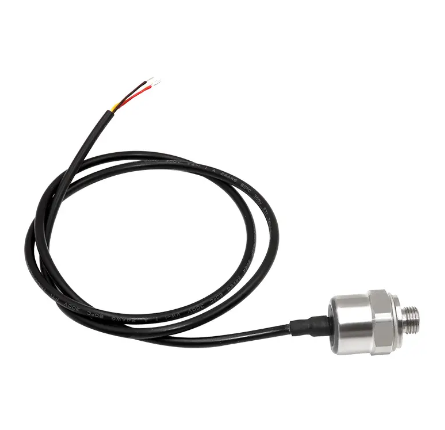
If you know how water level pressure sensors work, you can pick the right one. There are four main ways a water pressure sensor works. Each way uses a different idea to turn water pressure into an electrical signal. These ways are the base of WNK’s sensor technology.
Strain gauge sensors have a thin wire or foil on a flexible diaphragm. When water pushes the diaphragm, the wire stretches or gets squeezed. This makes the wire’s resistance change. You can measure this change and get a signal for water pressure. Metal strain gauges have a gauge factor from 2 to 4. Silicon sensors have a gauge factor from 100 to 200, so they are more sensitive. Strain gauge sensors are used in water level pressure transducers. They give good readings for low and high pressures.
Tip: Strain gauge sensors work for steady and changing water pressure. You can use them in many water level pressure sensor jobs.
Piezoresistive sensors use special materials that change resistance when pressed. These sensors have a diaphragm made of silicon or other conductive stuff. When water pushes the diaphragm, it bends. This bending changes the material’s resistance. You can measure this change and get a signal for water pressure. Common materials are metal nanomaterials, carbon, conductive polymers, and ionic materials. The material you pick changes how sensitive and strong the sensor is. Piezoresistive sensors are used in water level pressure sensor designs. They are accurate and respond fast.
Material Type | Examples |
|---|---|
Conductive Materials | Metal nanomaterials, Carbon materials, Conductive polymers, Ionic materials |
Structural Design Impact | Changes sensitivity and how much sensors can be squeezed |
Piezoelectric sensors use crystals or ceramics that make an electric charge when squeezed or stretched. When water pushes the sensor, the material makes a charge. You can measure this charge to know the pressure. Piezoelectric sensors react fast to changes. They work best for moving or changing pressure, not steady pressure.
Capacitive sensors have a diaphragm between two plates. When water moves the diaphragm, the plates get closer or farther apart. This changes the capacitance, which is how much electric charge can be stored. You can measure this change to know the water pressure. Capacitive sensors work for steady and changing pressure. You see them in water level pressure sensor and pressure transducer designs.
Sensor Type | Principle of Operation | Response to Pressure Changes |
|---|---|---|
Piezoelectric | Makes a charge when pressure is added, using quartz or ceramics. | Sensitive to quick changes in pressure; cannot measure steady pressure because charge leaks away. |
Capacitive | Measures changes in capacitance when the diaphragm moves. | Changes capacitance when pressure changes, so it works for both quick and steady measurements. |
Each pressure sensor type has its own way to measure water pressure. WNK uses these smart ways to build water pressure sensors. This helps you choose the best water level pressure sensor or transducer for your needs. If you want to know how a pressure sensor works, look at how these ways turn water pressure into electrical signals. You can trust WNK’s technology for good and accurate results in your water system.
Have you ever wondered how a water pressure sensor changes water pressure into a signal? The process happens inside the sensor. Here are the main steps:
Diaphragm Deflection: Water pushes on the diaphragm. The diaphragm bends. Most sensors use silicon for this part.
Strain Gauge Action: The bending changes the resistance in the strain gauge. This part sits on the diaphragm.
Signal Generation: The sensor makes a voltage change. The voltage matches the pressure amount.
Signal Conditioning: Electronics make the signal stronger and cleaner. You get a standard output for your system.
These steps help you get good readings from your water level pressure sensor or pressure transducer. If you ask, "how does a pressure sensor work," these steps show you. You can trust this way for steady and changing water pressure.
Tip: Signal conditioning keeps your readings steady, even if things around the sensor change.
When you pick a water pressure sensor, you should know about output types. Sensors can give analog or digital signals. Each type has its own good points.
Factor | Analog Pressure Sensors | Digital Pressure Sensors |
|---|---|---|
Signal type | Continuous voltage or current | Digital data sent by protocol |
Typical outputs | Voltage (0–5V, 0–10V), current (4–20 mA) | Binary data (16-bit or 24-bit readings) |
Noise handling | Sensitive to electrical interference | Less affected by interference |
Cost | Cheaper | More expensive |
Analog pressure sensors cost less and are easy to install. They can pick up noise from other electronics.
Digital pressure sensors give more accurate and steady readings. They cost more and need special setup.
You can find both types in water level pressure sensor and pressure transducer designs. WNK has sensors with both choices, so you can pick what you need. If you need a water level pressure transducer for a factory, digital output can help you avoid errors from noise. For simple jobs, analog output is fine.
Note: Pick the output type that works best for your control system and budget.
You should know the main water level pressure sensor types. This helps you pick the right one for your job. Each type measures pressure in its own way. The table below explains how gauge, absolute, and differential sensors work. It also shows where you use each type.
Type of Sensor | Measurement Principle | Typical Use Cases |
|---|---|---|
Gauge Pressure Sensors | Measures pressure compared to air pressure. | Used in factories, checking tires, and medical tools |
Differential Pressure Sensors | Measures pressure between two places. | Used for flow checks, filters, and cars |
Absolute Pressure Sensors | Measures pressure compared to a vacuum. | Used for weather, height checks, and medical jobs |
Gauge sensors help you compare pressure to the air around you. Differential sensors check the difference between two spots. This is good for filters. Absolute sensors show total pressure. You use them for weather or altitude checks.
Your water pressure sensor should match your system. Hefei Wnk Smart Technology Co., Ltd. makes the WNK Water Pressure Sensor for your needs. You can choose from many options to get the right sensor or transducer.
Pick the pressure range that fits your system. It can be low or very high.
Choose the output signal you need. Use 4-20mA for long wires or 0-5V for direct use.
Select the process connection that fits your pipes or tanks.
Get the right wetted material for your water or other liquids.
Smart water systems use advanced sensors and data tools. These systems watch how things work all the time. They help you fix problems before they get worse. You can connect your pressure transducer to energy systems for better control. This saves energy and money. Adaptive control lets your system change when the environment changes. This keeps everything working well.
When you pick a sensor, check if the material matches your system. Look at the pressure reference type and accuracy. Make sure the sensor can handle sudden pressure changes. You want a sensor that is easy to put in and swap out.
New water level pressure sensor designs use flexible materials and smart electronics. These sensors are more sensitive and last longer. You get better readings and longer life. WNK lets you customize your sensor so it fits your water system best.
You want your water level pressure sensor to be exact. High accuracy helps you notice small changes fast. This lets you fix problems before they get worse. WNK makes sensors with smart technology to keep mistakes low. You get sensitive readings, so you can trust your data. Using a high-accuracy sensor saves you money over time. You spend less on repairs and avoid system stops. You also use less energy and waste less water.
Economic Benefit | Description |
|---|---|
Improved Production Efficiency | Sensors measure pressure levels automatically, making work faster. |
Reduced Labor Costs | Data goes straight to computers, so you need fewer workers. |
Energy Savings | Good monitoring cuts energy use during industrial processes. |
Enhanced Safety | Real-time monitoring helps stop equipment failures and accidents. |
You need a water level pressure sensor that works for many depths. WNK has sensors for 0 to 4 meters, 10 meters, 20 meters, 40 meters, and 100 meters. You can use them in small tanks or deep wells. Long-term stability is important too. Ceramic pressure cells in WNK sensors keep their shape and stay accurate. They do not bend or change like some other types. You get good readings year after year.
Measurement range choices: 0 to 4 m, 10 m, 20 m, 40 m, 100 m
Ceramic pressure cells keep readings right and do not bend
Tip: Stable sensors help you avoid expensive repairs and keep your system working well.
Sometimes your pressure transducer needs to work in tough places. WNK makes sensors that handle wet air, very hot or cold temperatures, and strong chemicals. Special parts like Viton o-rings stop water from getting in. Better materials let sensors work in heat or cold. Titanium and nickel-based metals fight rust and damage, so your sensor lasts longer.
Condition | Key Considerations |
|---|---|
High Humidity | Viton o-rings stop damage from water. |
Temperature Extremes | Strong materials handle heat and cold. |
Corrosive Environments | Titanium and nickel-based metals fight harsh chemicals. |
You should also look for certifications. WNK sensors meet world standards like CE, ATEX, IEC, IECEx, UL, FDA, and EHEDG. These approvals mean your water pressure sensor is safe for important jobs.
Certification | Description |
|---|---|
CE | Follows EU health, safety, and environment rules. |
ATEX | Safe for places with explosions. |
IEC | Meets world electrical rules. |
IECEx | Safe in places with explosive air. |
UL | Meets safety rules for people and buildings. |
FDA | Checks health and safety. |
EHEDG | Sets clean design rules for food jobs. |
You can feel sure your water level pressure transducer will work well, even in hard places.

A water pressure sensor is used in many places. In factories, it helps control machines and keep them safe. You need it for process control, hydraulic systems, and HVAC systems. Utilities use water level pressure sensors for drinking water and wastewater. They also use them in smart city water networks. These sensors help find leaks fast and stop water loss. Marine systems use them to check tank levels and pump pressure. Smart cities use real-time water level checks to spot leaks quickly. This saves water and money. WNK has water level pressure transducers for all these jobs. You get help with setup and questions. They answer fast and give a 12-month warranty.
Tip: Smart water networks use sensors to collect data all the time. This helps you manage water better and stop waste.
You must install your water level pressure sensor the right way. Put sensors at important spots, like pump inlets and outlets. This helps you see all pressure changes. Do not put sensors near strong vibrations or heat. These things can make readings wrong and hurt the sensor. Check the pipe size and material before you install. This gives you steady readings and helps the sensor last longer. In big water systems, pick the best spots for sensors. You cannot put them everywhere, so choose places that give the most useful data. Watch out for problems like network coverage and energy use if you use smart sensors.
Note: Almost half of all pressure transducer failures come from poor mounting or not protecting against vibration. Take care during installation to avoid these problems.
Check your water level sensor often to keep it working well. Make a plan for regular checks. Look for signs of wear or damage. Calibrate your sensor every few months or at least once a year. This keeps your readings correct. Train your staff so they know how to spot and fix problems. Change worn parts before they break. In wastewater plants, daily checks help you catch issues early. Lubricate moving parts and keep the area clean. Good maintenance makes your sensor last longer and keeps your system safe.
Maintenance Practice | Benefit |
|---|---|
Regular Maintenance Schedule | Helps spot potential issues early, minimizing downtime and ensuring smooth operations. |
Daily Monitoring of System Performance | Ensures key parameters like flow rates and pressure are consistently checked for reliability. |
Staff Training on Maintenance Protocols | Empowers staff to identify and troubleshoot issues, enhancing overall system reliability. |
WNK gives you after-sales support, including a 12-month warranty and quick help online. You can get remote help if you need it. This support makes sure your water level pressure sensor or pressure transducer works well for a long time.
You use a water pressure sensor to find changes in pressure. It turns these changes into signals you can watch. There are four main ways sensors work: strain gauge, piezoresistive, piezoelectric, and capacitive. When you pick a water level pressure sensor or pressure transducer, check if it is accurate. Make sure it stays stable and works well for a long time. WNK makes sensors that are tested and certified for quality. They have strong performance and meet important standards:
Quality Assurance Measure | Specification |
|---|---|
Compliance Certifications | ISO 9001, CE, RoHS |
Dust and Moisture Resistance | IP67 or higher |
Operational Temperature Range | -40°C to +125°C |
Full-Scale Error | <±1% |
Repeatability | <0.5% |
Long-Term Stability | >98% over 5 years |
Water pressure sensors help you follow rules and keep things safe:
You record how your system works to show you follow the rules.
You prove your system is safe and works right.
You avoid fines by checking your system with good sensors.
Picking the right pressure sensor helps your system work better and keeps your water safe.
A pressure sensor checks how hard water pushes inside pipes or tanks. You use it to see if your system is safe. It also helps you find leaks or blockages early.
Put the sensor at important spots, like near pumps or tanks. Make sure the place is clean and not shaky. Follow the steps for wiring and sealing.
Calibrate your sensor every six to twelve months. Doing this often keeps your readings right. It also helps you stop problems in your water system.
Yes, you can use these sensors for drinking water. Pick a sensor with safe materials and the right approvals. This keeps your water clean and safe for people.
Watch for wrong numbers, slow answers, or damage you can see. If you notice these, clean the sensor and check the wires. Change parts if you need to.
Tip: Checking your sensor often helps you find problems early and keeps your system working well.


