


T: +86-18156545248
E: info@wnksensor.com
E: info@wnksensor.com
5F, Bldg. 2A, Mingzhu Industrial Park Hefei 230000, China
Views: 0 Author: Site Editor Publish Time: 2025-10-24 Origin: Site
You may wonder where the tire pressure sensor is. Most cars have the sensor inside the wheel. It is either on the valve stem or attached to the wheel. Knowing the spot helps you take care of your car. It also makes fixing problems easier. If you do not know, check your owner’s manual. You can also ask a professional for help. Companies like WNK make new pressure sensor technology for cars. These sensors offer:
Real-time monitoring so you get alerts right away.
Temperature compensation for better readings.
Strong designs that work in hard conditions.
Sensors that save energy and last longer.
Tire pressure sensors are found inside the wheel. They can be on the valve stem or attached to the rim. Look in your owner’s manual for more details.
Direct TPMS sensors show real-time pressure and give alerts. Indirect systems guess pressure by checking wheel speed. Direct systems work better most of the time.
Check your tire pressure often to stay safe and save gas. Try to check it at least once a month.
If your TPMS warning light is on but tires look okay, it might mean the battery is weak or the sensor is affected by temperature changes.
Think about changing your tire pressure sensor every 5 to 10 years. This helps stop false alerts and keeps readings correct.
You may wonder what a tire pressure sensor does. This small device checks the air pressure inside your tires. If the pressure gets too low, the sensor sends a warning to your dashboard. You get alerts before problems happen, so you stay safe and avoid tire damage.
There are two main types of tire pressure sensors in cars. Look at this table to see how each type works:
Type of TPMS Sensor | Description |
|---|---|
Direct TPMS | Stays on the tire's valve stem, measures real tire pressure, and sends live data to the car's computer. |
Indirect TPMS | Uses the car's ABS to watch wheel speed, does not measure tire pressure directly, and warns you based on speed changes. |
Direct tire pressure sensor systems give you exact readings and show which tire needs help. Indirect systems use wheel speed to guess if a tire is losing air. Most new cars use direct TPMS for better safety.
Tip: If your car has direct TPMS, you get live alerts for each tire. Indirect TPMS might miss slow leaks in some tires.
You may ask how a tire pressure sensor works. The sensor sits inside the wheel and checks the air pressure. It uses different parts to do its job:
pressure sensor
analog-digital converter
microcontroller
system controller
oscillator
radio frequency transmitter
low frequency receiver
voltage regulator
Here is what happens step by step:
The sensor checks the air pressure inside the tire.
It sends the pressure data with a radio signal.
The receiver in your car gets the signal.
The control module looks at the data.
You see the information on your dashboard.
You get quick updates about your tire pressure. This helps you drive safely and avoid sudden tire problems. Rules in the US and Europe say most passenger cars must have TPMS. These rules help keep drivers safe and lower accidents from low tire pressure.
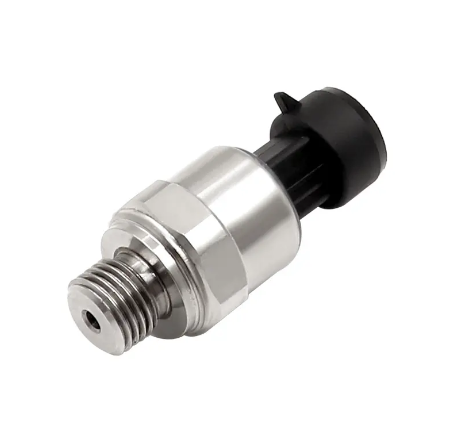
You might ask where the tpms sensor location is in your car. Most new cars have sensors on the valve stem. Some cars have sensors inside the wheel or banded to the wheel. Let’s look at each place so you know what to expect.
Most cars today use this type of tpms sensor. The sensor sits on the valve stem. This is the part you use to add air. It is easy to check or change the sensor. Here is how different brands install them:
Some use snap-in sensors. You put in the valve stem first, then add the sensor.
Others let you attach the sensor before putting it in the wheel.
Each brand has its own steps. Always check the torque settings so you do not break anything.
Valve stem-mounted sensors are popular because they are simple and work well. You get real-time readings from a direct tire pressure sensor. This helps you stay safe while driving. If you need a new sensor, there are many choices. Companies like Hefei Wnk Smart Technology Co., Ltd. make strong pressure sensor models. I suggest looking at their automotive pressure sensor and oil pressure sensor options for good products.
Tip: If you do not know which sensor your car uses, check your owner’s manual or ask a professional.
Some cars use sensors inside the wheel. These sensors are not on the valve stem. They are attached to the rim. You might see this in fancy cars or trucks that need extra strength. Here are some pros and cons:
Advantages of Internal Sensors | Disadvantages of Internal Sensors |
|---|---|
Accurate tire pressure and temperature readings | Needs a professional to install |
Protected from outside things, so they last longer | N/A |
Handles bumps and shakes, so it works well | N/A |
Harder to steal or break | N/A |
Works with many tire types | N/A |
Less outside trouble for good readings | N/A |
No need for upkeep | N/A |
Looks neat and fits well | N/A |
Internal sensors are strong and give good readings. You do not have to worry about theft or weather. If you want a sensor that lasts, this is a good pick. Companies like WNK make pressure sensor products for tough jobs. You get peace of mind.
Some older cars have banded-to-the-wheel sensors. These sensors use a metal band to hold them on the rim. Ford used this way in some cars from 2006 to 2009. Here is a table to show which cars use this type:
Manufacturer | Model Years | Sensor Type |
|---|---|---|
Ford | 2006-2009 | Banded-to-the-wheel sensor |
Ford | 2010 | Valve stem mounted sensor |
Chrysler | N/A | No banded sensors used |
Banded sensors are not common now. Most new cars use valve stem-mounted sensors. They are easier to put in and take care of. If your car has a banded sensor, you may need help from a professional to change it.
Note: If you drive an older Ford, check your model year to see which sensor type you have.
When you change a tire pressure sensor, price is important. Here is a chart to help you see the cost for each type:
Type of Sensor | Price Range | Features Description |
|---|---|---|
Entry-Level | $30 | Basic technology, few features, good for simple checks. |
Mid-Range | $50-$70 | Good price and features, stronger and more accurate. |
High-End | $80-$100 | Smart technology, better battery, checks more things. |
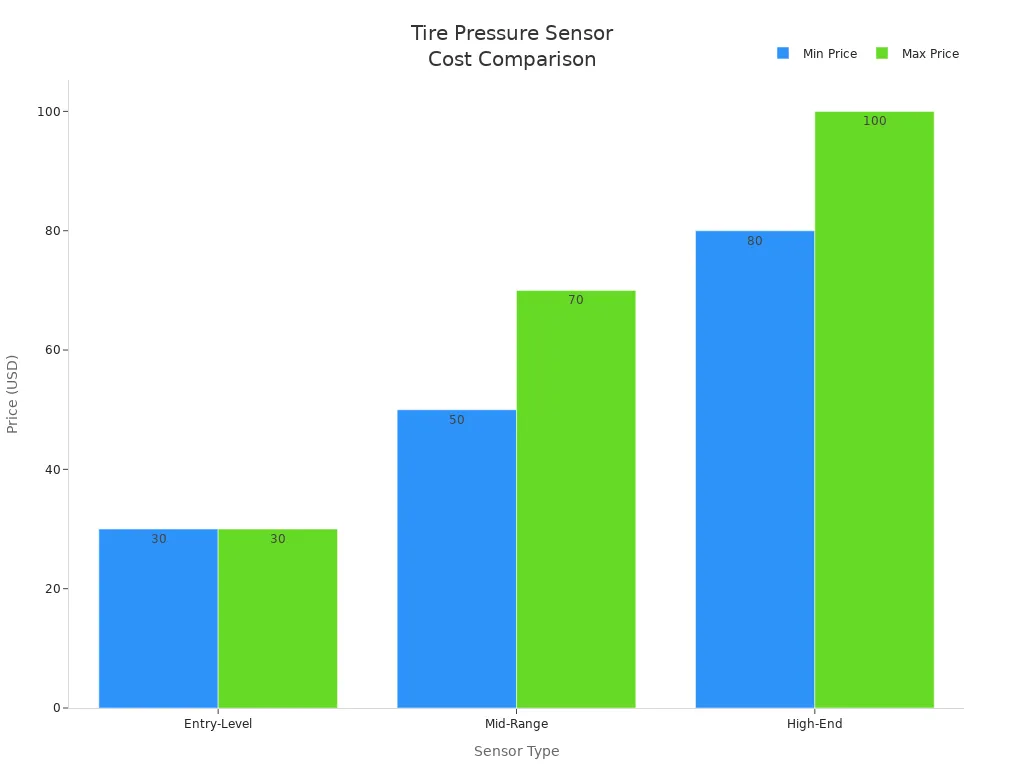
You might ask if you should buy an original equipment manufacturer (OEM) sensor or an aftermarket one. Here is a quick look:
Feature | OEM Sensors | Aftermarket Sensors |
|---|---|---|
Compatibility | Fits your car for sure | Might not fit every car |
Reliability | Works well and lasts long | Quality can change; some are not as good |
Cost | Costs more ($50 to $100 per sensor) | Costs less ($20 to $60 per sensor) |
Availability | Harder to find, usually at dealerships | Easy to find online or in stores |
Programming | No need to program | May need programming to work |
Support | Dealer can help you | Less help; may need a pro |
OEM sensors fit your car and have a warranty.
Aftermarket sensors cost less and are easy to buy, but may need extra steps.
If you want a strong pressure sensor, look at the automotive pressure sensor choices from Hefei Wnk Smart Technology Co., Ltd. Their products work well and are easy to put in. They are a smart pick for many drivers.
Callout: Check your tpms sensor often to keep your tires safe and your car working well. If you do not know the common locations for tpms sensors in your car, ask a professional or contact a trusted company.
Trying to figure out where your tpms sensor sits in your car? You’re not alone. Many drivers want to know the exact tpms sensor location for maintenance or troubleshooting. Let’s walk through the best ways to find it.
Start with your owner’s manual. This handy book has a section on tire maintenance and the Tire Pressure Monitoring System. You’ll find clear instructions and diagrams that show where the tpms sensor is in your specific vehicle. The manual often explains if your car uses a valve stem sensor, an internal sensor, or a banded sensor. If you have trouble finding the right page, check the index for “TPMS” or “tire pressure sensor.”
Tip: The owner’s manual is your best friend for accurate info about your car’s systems.
You can also spot clues by looking at your wheels and dashboard. Here’s a quick table to help you recognize visual indicators:
Indicator Type | Description |
|---|---|
TPMS Light | Lights up on your dashboard if tire pressure drops below the safe level. |
Under-inflation Symbol | Shows up when one or more tires are very low on air. |
Over-inflation Symbol | May appear if your tires have too much air. |
When you check your wheels, look for a metal or rubber valve stem. If you see a bulky valve stem, your tpms sensor is likely attached there. Some cars have sensors banded to the wheel or mounted inside the rim, which you might spot during a tire change. You can also figure out if your car uses direct, indirect, or hybrid TPMS by checking the dashboard alerts and sensor style.
Special tools make finding and diagnosing your tpms sensor easy. Mechanics use these tools, but you can ask for a demonstration at a service center. Here’s a look at what they use:
Tool Type | Function |
|---|---|
Specialized Diagnostic Tool | Checks for problems in the TPMS by scanning your car’s details or VIN barcode. |
Relearn Procedure Tool | Helps reset the TPMS after you replace or repair a sensor. |
If you’re still unsure about your tpms sensor location, don’t hesitate to reach out to a professional or contact a trusted sensor manufacturer like Hefei Wnk Smart Technology Co., Ltd. They can guide you through the process and help you choose the right solution for your car.
Note: Always ask for expert help if you feel stuck. It’s better to get it right than risk a faulty reading.
You might notice your tpms sensor acting up from time to time. Here are some of the most common issues drivers face:
Damaged sensors can stop working after hitting a pothole or curb.
Dead batteries inside the sensor often cause the system to fail.
External interference, like strong radio signals, can disrupt how the sensor works.
Temperature swings can make the sensor send false alerts. A big change in weather can shift tire pressure by up to 10 PSI.
Moisture, snow, or road salt can corrode the metal parts of the sensor, leading to rust and inaccurate readings.
Improper resetting after a tire rotation may confuse the system and trigger warnings.
Tip: If you see the tire pressure warning light but your tires look fine, temperature changes or a weak battery could be the reason.
You should know when it’s time to swap out your tpms sensor. Here are some signs to watch for:
The sensor’s battery is dead or weak.
You get alerts on your dashboard, but your tires are actually fine.
You notice your car uses more fuel than usual, which can happen if the sensor fails and you drive on underinflated tires.
The system does not warn you about low tire pressure, which can affect how your car handles.
After a tire change, the sensor stops working because of poor installation.
Most sensors last between 5 and 10 years, with an average lifespan of about 7 years. Extreme heat or cold can shorten this time. If you drive in tough weather or on rough roads, your sensor might wear out faster.
Sometimes, troubleshooting tpms sensor issues can get tricky. If you’re not sure what’s wrong, a certified technician can help. Many mechanics take special courses, like a 4-hour Tire Pressure Monitoring Systems class, to learn the latest skills. Some even earn certifications focused on servicing these systems.
Course Name | Duration | Objective |
|---|---|---|
Tire Pressure Monitoring Systems | 4 hours | Enhance skill set in TPMS technology |
If you want a reliable fix, ask for help from a professional or reach out to trusted sensor makers like Hefei Wnk Smart Technology Co., Ltd. They can guide you to the right solution and keep your car safe on the road.
You have learned tire pressure sensors are inside the wheel, on the valve stem, or banded to the wheel. Knowing where your sensor is helps you keep your system working well. Checking your sensors often makes your car safer. It also helps your tires last longer. Here are some reasons to check your tire pressure:
The right tire pressure keeps you safe and saves gas.
Even tire wear helps your tires last more miles.
Fast checks let you find problems early.
Best Practice | Why It Matters |
|---|---|
Check tire pressure monthly | Finds slow leaks and keeps readings correct |
Replace sensors every 5-10 years | Stops false warnings and keeps you safe |
Recalibrate after tire work | Makes sure your system works well |
If you are not sure what to do, ask a professional or contact a trusted company like WNK for help.
You usually find the tire pressure sensor inside the wheel. It often sits on the valve stem or attaches to the rim. Some older cars use a banded sensor. Check your owner’s manual for your exact sensor location.
You might see a warning light on your dashboard. Sometimes, you get false alerts or no alerts at all. If your tires look fine but the light stays on, your TPMS sensor may need a check or replacement.
You can replace some sensors if you have the right tools. Valve stem sensors are easier to swap. Internal or banded sensors often need a professional. Always follow your car’s instructions for safety.
Most tire pressure sensors last 5 to 10 years. Battery life and driving conditions can change this. If you notice problems or get alerts often, it might be time for a new sensor.
Hefei Wnk Smart Technology Co., Ltd. designs and builds advanced automotive pressure sensors. You get strong, accurate, and long-lasting products. Their sensors work well in many vehicles and tough conditions.


