


T: +86-18156545248
E: info@wnksensor.com
E: info@wnksensor.com
5F, Bldg. 2A, Mingzhu Industrial Park Hefei 230000, China
Views: 0 Author: Site Editor Publish Time: 2026-01-19 Origin: Site
An air pressure sensor checks how hard air pushes in a closed space. You use an air pressure sensor to make sure machines work well and stay safe. Air pressure sensors can watch airflow in HVAC systems. They also check breathing machines in hospitals. They help control pollution in factories too. These sensors stop dangerous pressure by setting off alarms or turning things off. WNK is known for making good and new products. WNK gives air pressure sensors you can trust in many jobs. Every air pressure sensor from WNK works well and uses smart technology for your needs.
Air pressure sensors check how strong air pushes in a closed space. They help machines work safely and well.
There are different kinds of pressure sensors. These include absolute, gauge, and differential sensors. Each one has its own job and use.
Picking the best air pressure sensor means looking at how tough it is. You also need to think about the sensing technology. The pressure range and how exact it is also matter.
Air pressure sensors are very important in many areas. They are used in cars, factories, hospitals, and for the environment.
It is important to check and adjust air pressure sensors often. This keeps their readings correct and helps keep things safe.
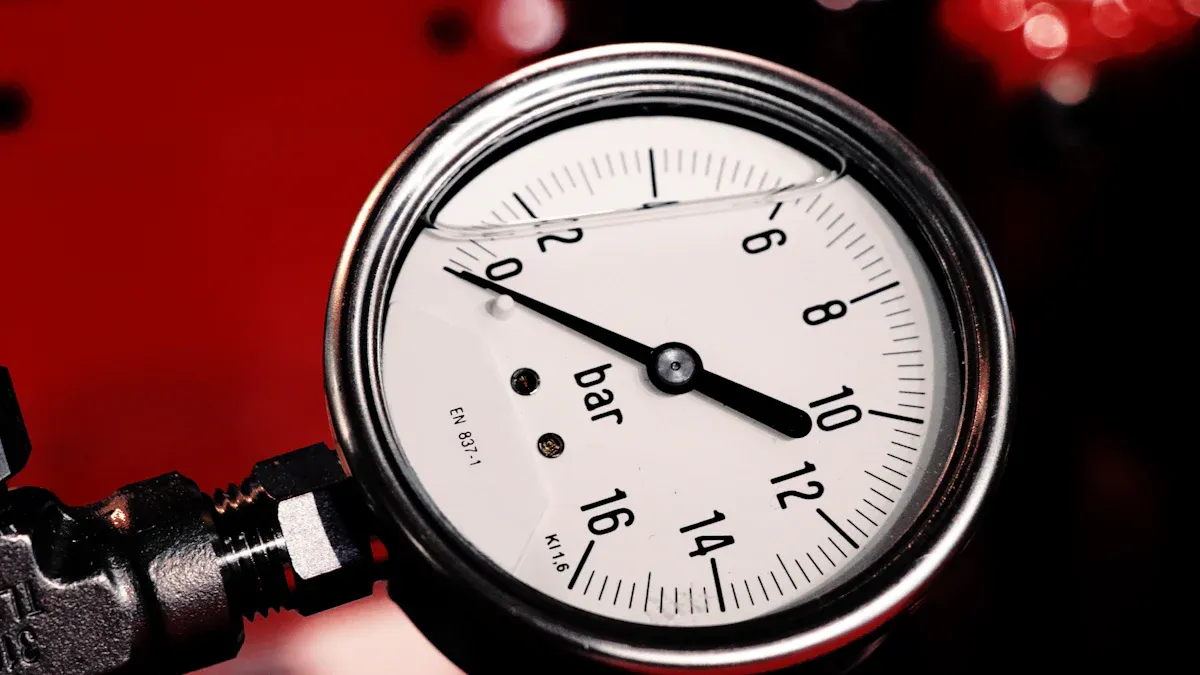
A pressure sensor checks how much air pushes on a surface in a closed space. This tool helps keep machines safe and working well. It can check airflow in buildings or make sure medical tools work right. You might find a pressure sensor in cars, factories, or hospitals. The pressure sensor turns air pressure into an electrical signal. You can look at this signal to see if the pressure is too high or too low. Some people call it a pressure transducer because it changes pressure into a signal you can use.
A pressure sensor is made with strong materials so it lasts a long time. You often see stainless steel, PTFE, Hastelloy, titanium alloy, and PVDF used to build it. These materials help the pressure sensor stay safe from damage and work in hard places. You can trust a pressure sensor to give you the right numbers every time.
A pressure sensor has a few important parts. Each part helps the sensor do its job well. The main parts are shown in the table below:
Component | Description |
|---|---|
Diaphragm | The main sensing part that bends when pressure changes, turning pressure into movement. |
Adjustment Spring | Sets the pressure level, which is important for accuracy. |
Auto/Off Lever | Lets you control the sensor by hand for fixing or checking. |
Electrical Contacts | Connects to other circuits, making sure it works safely and well. |
You use a pressure sensor because it gives steady and correct readings. The sensor reacts fast when pressure changes. You can set the sensor for different jobs. Some sensors work with digital systems, and some use analog signals. A pressure transducer can help control machines or watch for safety. You find pressure sensors in many jobs because they are easy to use and work in many places.
A pressure sensor is special because it is strong and correct. You can use it where pressure is high or low. The sensor helps you stop problems by warning you if the pressure is wrong. You can count on a pressure sensor to keep your machines safe.
You use an air pressure sensor to check pressure in many places. The sensor finds out how much force the air puts on a surface. When the air pushes harder, the sensor can tell. You see this in things like HVAC systems or medical machines. The sensor has a thin, bendy part called a diaphragm. When the air moves or changes, the diaphragm bends. This bending is called mechanical deformation. The sensor turns this bending into an electrical signal you can read.
Here is how it works:
The sensor feels the air pressure.
It turns the pressure into an electrical signal.
You use the signal to see if the pressure is right or needs fixing.
Air pressure sensors use different ways to measure pressure. Some sensors use piezoresistive methods. Others use capacitive methods. These ways help you get good readings. You can trust new sensors to give you exact numbers. Many sensors can be as accurate as ±0.01% FS for absolute pressure sensors.
There are two main ways to measure pressure in air pressure sensors. These are piezoresistive and capacitive mechanisms. Each way has special features that help you pick the right sensor for your job.
Feature | Piezoresistive Mechanism | Capacitive Mechanism |
|---|---|---|
Principle of Operation | Measures change in electrical resistance when the diaphragm stretches | Measures change in capacitance when the diaphragm moves |
Sensitivity | Very sensitive but can change with temperature | Great sensitivity and does not change much with temperature |
Measurement Method | Uses a Wheatstone bridge to turn resistance changes into voltage | Measures changes in frequency or charging time of a capacitor |
Applications | Good for absolute, gauge, relative, or differential measurements | Also good for absolute, gauge, relative, or differential measurements |
You use a piezoresistive sensor when you need to measure pressure with high sensitivity. This sensor works well in many places, but temperature can change its readings. You use a capacitive sensor when you want steady readings, even if the temperature changes. Both types help you measure pressure in cars, factories, and hospitals.
Modern air pressure sensors give you results you can trust. You can measure pressure in many ways, and the sensor will work in hard places. When you pick a sensor, you look at how it measures pressure and how correct it is. You want a sensor that fits your needs and gives you the right numbers every time.
There are different pressure sensors used in many jobs. Each type measures pressure in its own way. The main types are absolute, gauge, and differential. You need to know how each one works before you choose.
Type of Pressure Sensor | Description |
|---|---|
Gauge Pressure | Measures pressure compared to the air around you. |
Absolute Pressure | Measures pressure compared to a perfect vacuum. |
Differential Pressure | Measures the difference between two pressures. |
An absolute pressure sensor checks pressure against a perfect vacuum. This sensor gives you the real pressure value. It works best in sealed places and vacuum jobs. You can trust it to be correct for a long time. Many science tools and machines use absolute pressure sensors. They do not change when the weather changes.
Note: Use absolute pressure sensors if you need to measure vacuum pressure.
Feature | Absolute Pressure Sensors | Gauge Pressure Sensors |
|---|---|---|
Advantages | Shows true pressure, has a steady reference, stays accurate, only choice for vacuum, good for sealed places | Shows direct pressure, simple and cheap, easy to put in and fix, works in many jobs |
A gauge pressure sensor checks pressure compared to the air outside. You use it to see if something has more or less pressure than the air. Car tire gauges and HVAC systems use these sensors. They are easy to use and cost less money. You can put them in and fix them without trouble.
Gauge pressure sensors work for most daily jobs. They show if the pressure is higher or lower than normal air. Do not use them for sealed places or when you need the real pressure.
A differential pressure sensor checks the difference between two spots. You use it to see how much pressure changes from one side to the other. This sensor is important in many places:
Checking filters in air or gas systems
Keeping clean rooms safe in labs and factories
Measuring flow in pipes
Checking airflow in HVAC systems
Finding leaks or blocks in safety systems
There are two main ways to measure differential pressure. Some sensors use one diaphragm with two openings. Others use two absolute pressure sensors and find the difference. Differential pressure sensors help keep things safe and working right.
You might also see compound pressure sensors. These measure both positive and negative pressures. They mix gauge and vacuum measurements. When you know about the types of pressure sensors, you can pick the best one for your job.
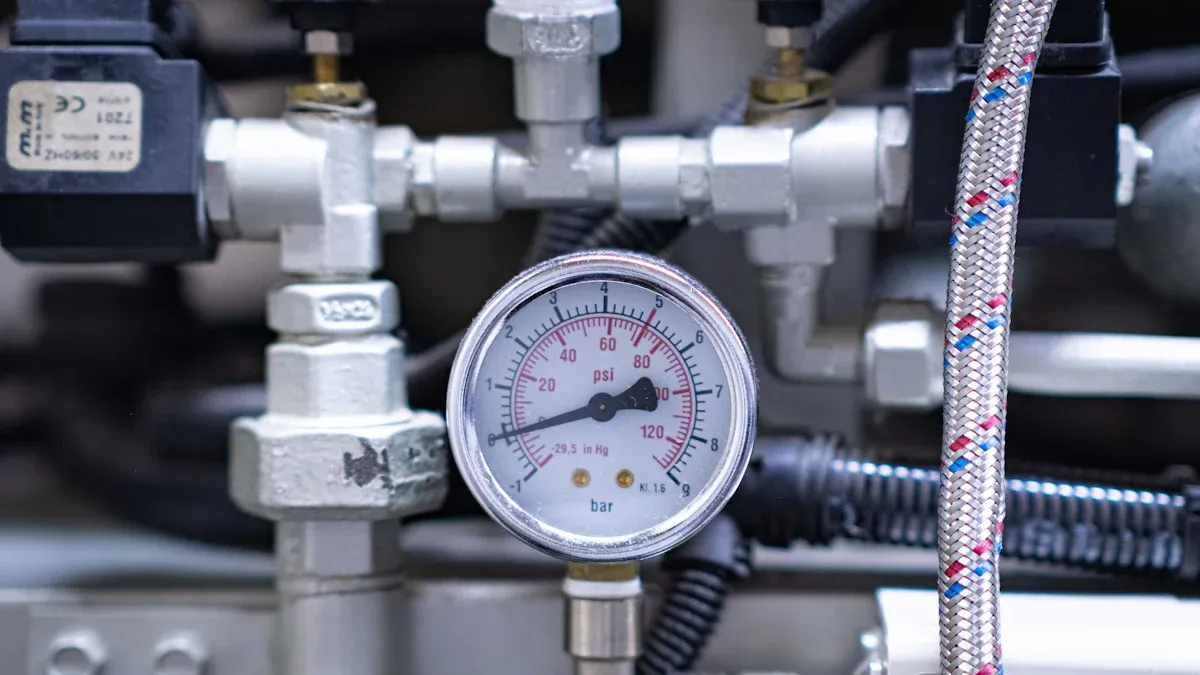
Almost every new car has a tire pressure monitoring system. This system uses air pressure sensors to check your tires. When you drive, the tpms watches your tires all the time. If your tires do not have enough air, it warns you right away. This keeps you safe and helps you save gas. Tires with the right air last longer and help you control your car better.
In 2023, more than 74 million cars had a tire pressure monitoring system.
The United States and European Union make all new cars have tpms, which is over 40 million cars each year.
In China, over 30 million new cars had tpms by the end of 2023.
You need tpms to keep your tires working well. Tires with the right air help you avoid crashes and last longer. WNK sensors work well in cars, so your tpms gives you good readings every time.
You see pressure sensors used in many factories and buildings. In HVAC systems, air pressure sensors help save energy and keep the air nice. These sensors give you data right away, so your system can change itself for the best results. They watch for pressure changes that show if filters are blocked or if there are leaks. When the sensor finds a problem, you get a warning to fix it fast.
Air pressure sensors help control compressors, which saves energy and makes machines last longer.
They keep airflow balanced, so you do not waste energy heating or cooling empty rooms.
Sensors help you find leaks in ducts and pipes, so you can fix them before they get worse.
WNK makes sensors you can trust for factories and HVAC systems. These sensors help your systems work well and use less energy.
You also use air pressure sensors in hospitals and for checking the environment. In hospitals, these sensors are important in ventilators. They help doctors control how much air goes to a patient’s lungs. This keeps patients safe and helps them breathe better.
Source | Evidence |
|---|---|
All Sensors | Air pressure sensors are needed for good control of airway pressure in ventilators. |
Microsensor Corp | Sensors control oxygen and air pressure for safe ventilator use. |
Merit Sensor | Sensors watch and control the air sent to the lungs. |
Superior Sensors | Sensors help ventilators work well by watching airflow. |
You also see these sensors in weather stations. They measure air pressure to help predict the weather. Weather experts use this data to say if it will rain, storm, or be sunny. Farmers and pilots use these forecasts for their work.
Air pressure sensors watch changes in the air, which helps you know about the weather.
Watching air pressure helps you plan outside activities and protect crops.
WNK sensors work well in hospitals and for checking the environment. You get good and steady readings, which are important for safety and planning.
When you pick an air pressure sensor, think about your job. You want a sensor that works well and lasts long. Here are some things to check:
Durability: Choose sensors built strong, like all-welded ones. These last longer in tough places. Look for IP ratings to see if the sensor can handle dust and water.
Sensing Technology: Find sensors that use advanced methods, like sputtered thin film or capacitive sensing. These give you results you can trust.
Pressure Range and Type: Make sure the sensor can measure the pressure you need. Some jobs need gauge, absolute, or differential sensors.
Output Signal: Pick a sensor that fits your system. Some sensors send digital signals, and others use analog.
Accuracy: Always check how exact the sensor is. Good accuracy helps machines work right and stops problems early.
If you use sensors in factories, accuracy is very important. Sensors that do not measure well can make machines work wrong. This wastes energy and makes products that do not meet standards. You want sensors that stay accurate and do not drift over time.
You need to match the sensor to your job. Medical devices need sensors with ISO 13485 certification. Cleanrooms and hospitals need sensors that keep air pressure steady to stop contamination. In HVAC systems, sensors help save energy and keep air comfortable.
Here is a table with some options from top manufacturers:
Manufacturer | Sensor Series | Customization Options |
|---|---|---|
Amphenol All Sensors | ELVX Series | Gage/Differential, Digital I2C/SPI, PCB Surface Mount |
Amphenol All Sensors | AUAV Series | Dual sensors, OEM customization, high resolution output |
Druck (Baker Hughes) | OEM Custom Sensors | Configurable for specific applications |
When you work with WNK, you get help straight from the maker. You can ask for sensors made just for your needs. WNK gives good prices and helps you choose the best sensor for your job. You also get a strong warranty, which lowers your risk and helps you feel safe.
Tip: Picking the right pressure sensor helps keep machines safe, saves energy, and meets safety rules.
Air pressure sensors help you check and control pressure in many places. These sensors use smart designs to give you good and steady results. You should pick a sensor that fits your needs and works well where you use it. High-quality sensors, like WNK’s, give strong accuracy and last a long time. They also have choices for special jobs. More industries use automation and smart technology now. Picking the right sensor helps keep your systems safe and working well.
First, put the sensor on a flat spot. Then, connect the wires to your control system. Make sure the sensor points at the airflow or pressure source. Always follow the maker’s instructions for the best results.
Analog sensors send a signal that changes smoothly. Digital sensors send data as numbers using special rules like I2C or SPI. Pick the one that works best for your system.
You can use air pressure sensors outside if they have weatherproof cases. Check for sensors with high IP ratings. These sensors keep out dust and water, so they work well outdoors.
Calibrate your sensor once every year. Some jobs need you to check more often. Regular calibration keeps your readings right and helps your machines stay safe.


